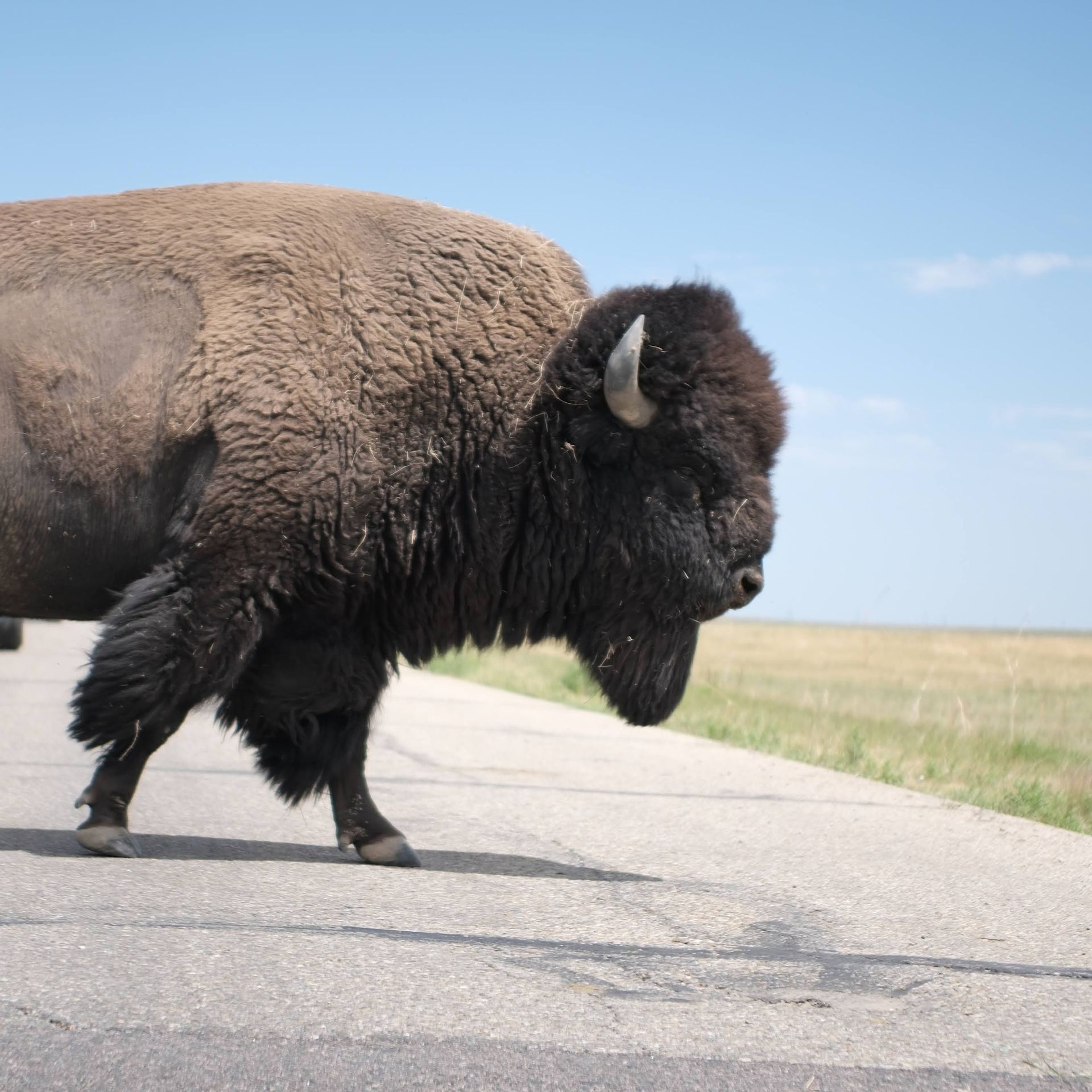
VOC STAFF READS Book: American Serengeti: The Last Big Animals of the Great Plains Author: Bob Flores
...and I am extremely grateful to be recognized as one of the VOC Grossman scholars this year. This scholarship will be incredibly impactful for me as I pursue my childhood dreams through a degree in Fish, Wildlife, and Conservation Biology at Colorado State University in the Warner College of Natural Resources. I have always been enamored with the natural aspects of our world. However, moving to Colorado at just 7 years old ignited a new spark in me. From my first backpacking trip with my dad to my most recent hikes along the reservoir, the natural beauty of Colorado has held a special place in my heart. Fishing next to the rushing water and feeling the cool breeze float up from the river always puts me in a great mood. On one recent backpacking trip, my dad and I woke to two stunning mountain goats shuffling around our campsite. Experiencing such proximity to these majestic animals reminded me of the importance of protecting our natural areas. In 2020, our region experienced the largest wildfire in Colorado history, with over 208,000 acres of untouched forest being reduced to ashes. I remember stepping outside to ash falling in the streets. When the sky turned gray, I realized that this place I loved wasn’t invincible. As the sun shone an eerie red, my love for nature turned into a determination to protect it. Protecting animals and their habitats will not only improve the quality of life for these animals but also for the people who live near and among them. One project in Colorado that has inspired me is the building of wildlife bridges over busy highways and roads throughout the state. Animal and vehicle collisions are one of the leading causes of death for wildlife in the United States and pose a danger to the humans involved in these collisions. Aran Johnson, a wildlife biologist for the Southern Ute Indian tribe in Colorado, has been working on one such bridge for over 15 years, and wildlife crossings such as this one have been shown to reduce vehicle collisions with large animals by more than 80 percent. This level of impact is something I aspire to. During my senior year of high school I worked in a microbiology lab at Colorado State University and have recently finished multiple experiments that study diseases in animal populations. The results of these experiments are being published in a scientific paper on which I am a contributing author. This is just the beginning of what I will accomplish in my studies and career in the natural sciences. Through research and community education during my undergraduate years and beyond, I want to promote projects like the wildlife bridges; projects that support conservation in a way that benefits everyone who calls an area home. As I work towards my wildlife biology degree, receiving the VOC Grossman scholarship will significantly shape whether I can realistically pursue my degree path. Although my family is financially stable, college is still a major investment. I’ve worked throughout the summer and school year to save for college, and a scholarship would allow me to contribute more to my education. Taking responsibility for this funding matters to me, and I want to lessen the financial burden on my family. Many students work long hours or take on heavy debt; with scholarship support, I can focus fully on my academics instead of constant financial stress. This scholarship will also have a remarkable impact on my future. Many people in the natural sciences continue to postgraduate study, and reduced debt will allow me to pursue that path. It will also give me the freedom to take research-centered work opportunities I deeply care about, allowing me to use my skills in meaningful conservation work. This kind of flexibility will strengthen my ability to contribute directly to science-based wildlife management and conservation efforts. Thank you again to the Grossmans for their passion and commitment to supporting young leaders in environmental conservation in Colorado. In addition to the Grossmans, I would like to thank my parents for their unwavering love and support.
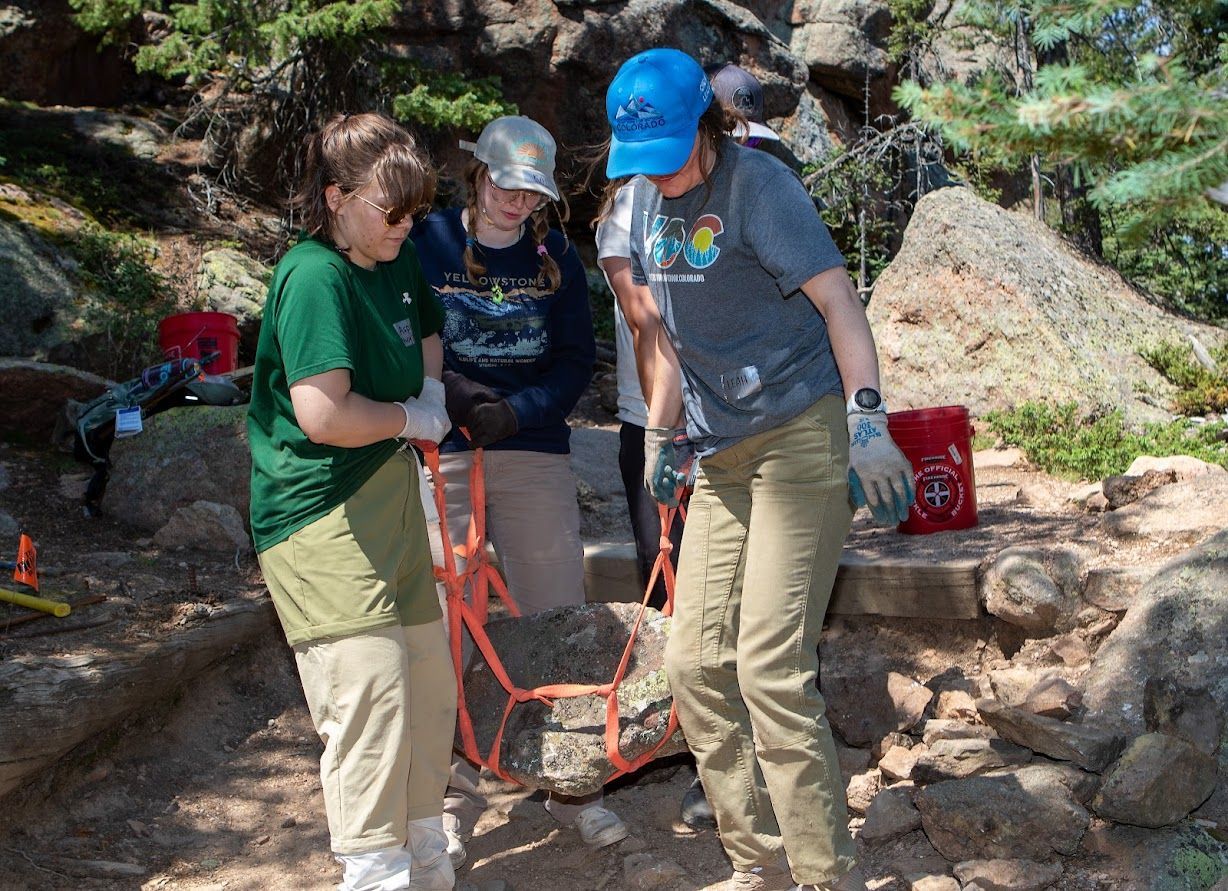
Reconnecting to the Joy of Being a Student Since I’ve worked at VOC, I have watched volunteers follow their curiosity. They arrive at a project ready to lend a hand, learn a new skill, and gradually find new ways to contribute. Through VOC’s projects and trainings, volunteers can learn everything from trail construction and ecological restoration to outdoor cooking and tool management. This year, I decided to follow their lead by completing VOC’s Crew Leadership for Trails training. The experience reconnected me with the joy of learning a new and complex skill. The training covered interpersonal leadership, risk management, tool safety, conflict resolution, and the technical principles behind trail construction and maintenance. It challenged me to flex different muscles, both physically and mentally. More than anything, I walked away with a new appreciation for the well-informed judgment calls and teamwork behind every well-built trail.
...and I am extremely honored to have been selected as a recipient for the VOC Grossman Scholarship. I am a non-traditional student studying Fish & Wildlife Conservation Biology at Colorado State University. Growing up, I always had a fondness for animals, but being a veterinarian never appealed to me, so I was unsure how to turn my passion into a career. Fortunately, during my senior year of high school, it was recommended that I take wildlife biology as an elective because the teacher was well-loved and respected by all her students. Taking that class was the greatest blessing I could have ever asked for. The teacher, Dianne Krishon, instilled her passion for wildlife and the outdoors into me through her unconventional wittiness, humility, and kindness. Without her, I don’t think I would have known that pursuing wildlife biology was an option for me. Thanks to her, I was able to connect to nature, myself, and my purpose in ways I had never experienced before. She always believed that I could do whatever I put my mind to and was critical in helping me land my first wildlife-related internship at our local birds of prey center as a rehabilitation assistant. This was my first taste of what it would be like to work with wildlife, and I was absolutely enamored. After moving to Fort Collins, Colorado in 2023 to begin my studies at CSU, I immediately searched for more opportunities to gain hands-on experience in the field of wildlife conservation. This led me to volunteer with the Rocky Mountain Raptor Program for 2 years. Today, I am an Undergraduate Research Assistant with CSU’s Center for Human Carnivore Coexistence, where I am assisting with several projects. This first project is designed to minimize wolf-livestock interactions through non-lethal deterrent tools to promote sustainable ranching operations along with coexistence with large carnivores on the landscape. I will be continuing my work on this topic this summer as a CSU Extension Intern for the Livestock Predation Prevention team. The second project I have undertaken is designed to gain a better understanding of the barriers to mitigating Chronic Wasting Disease so that we can improve research and management objectives. Without the help of the VOC Grossman Scholarship, I would have had to turn down some of these opportunities so that I could work full time at my waitressing job to pay my tuition and living expenses. Being a recipient of this scholarship has taken a huge weight off my shoulders and will allow me to finish out the remainder of my undergraduate degree strongly and fully focused, without having to work a full-time job. After I graduate, I am interested in pursuing graduate school to study the intersection of human dimensions of natural resources and spatial ecology to create solutions to habitat fragmentation that will allow unimpeded movement and protect migration corridors of threatened and endangered species. I would like to thank the Grossmans for their generosity, Miss Krishon for giving me the courage to take the leap of faith, and my mother, who always encouraged me to chase my wildest dreams.
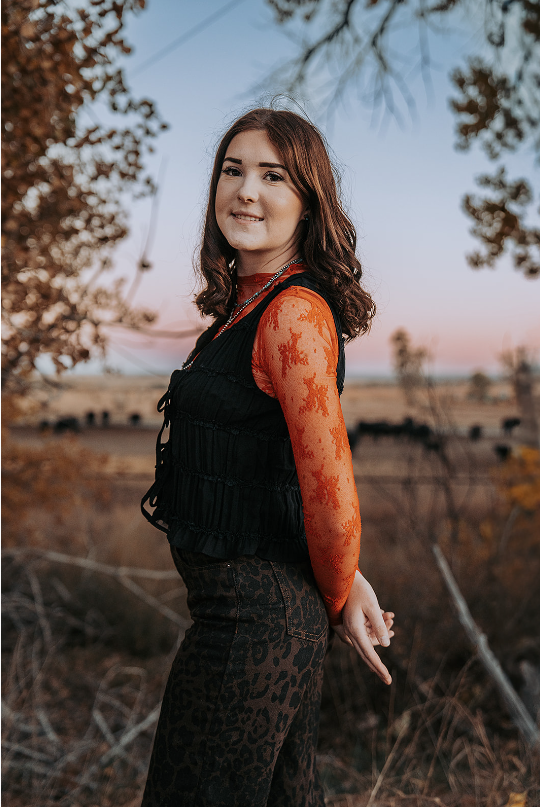
Agriculture has always been a part of who I am. As an eighth-generation rancher, I was raised with a deep respect for the land, livestock, and the responsibility that comes with both. From an early age, I learned that taking care of the land is just as important as the work we put into it, and that connection has shaped the path I am choosing for my future. After graduating, I will be attending Otero College, where I plan to pursue degrees in Soil and Crop Science along with Agriculture Business (Agribusiness). I chose these areas of study because I want to better understand both the land and the business side of agriculture. Soil and crop science will allow me to focus on improving soil health, increasing productivity, and managing natural resources responsibly. Agribusiness will give me the tools to make sound financial and management decisions that are necessary to run a successful operation. My passion for these fields comes from growing up in agriculture and seeing firsthand how everything is connected. Healthy soil leads to better crops and forage, which directly impact livestock and the success of an operation. I have learned that caring for the land is not just about today—it is about ensuring that future generations have the same opportunities. Whether it is through conservation practices, responsible grazing, or improving soil health, I want to be part of protecting and strengthening agriculture while continuing to produce food. In addition to my background at home, my involvement in 4-H, FFA, and conservation-related work has strengthened my connection to both agriculture and nature. Through these experiences, I have learned the importance of leadership, education, and sharing knowledge with others. I have also had the opportunity to work on soil moisture monitoring projects and participate in conservation efforts, which have further encouraged me to pursue a career that blends agriculture with environmental stewardship. Receiving this scholarship is an incredible opportunity that will help me continue working toward my goals. It not only provides financial support but also reinforces that the path I have chosen is meaningful. This support will allow me to focus more on my education and gaining the knowledge and skills I need to succeed without as much financial stress. In the future, my goal is to own and operate my own ranch. I want to build an operation that reflects strong business practices and a deep respect for the land. I also hope to work in a field such as natural resources or conservation, where I can continue to apply what I have learned and give back to the agriculture community. I am grateful for the support this scholarship provides. It is not only an investment in my education, but also in my future and the future of agriculture.
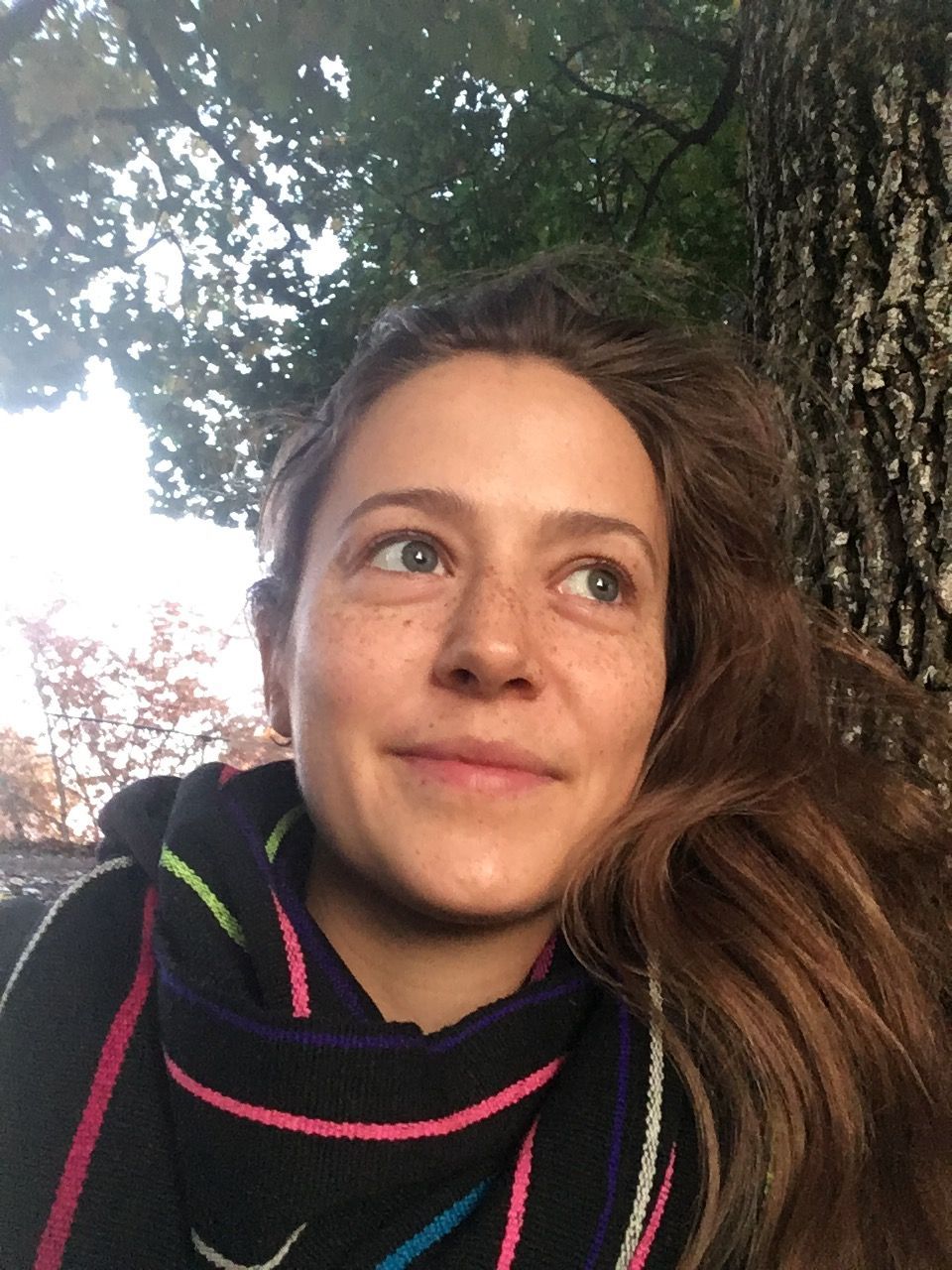
My name is Michaela Perez...